Dog Breed Lifespan Comparison Chart: 50+ Breeds Ranked by Longevity
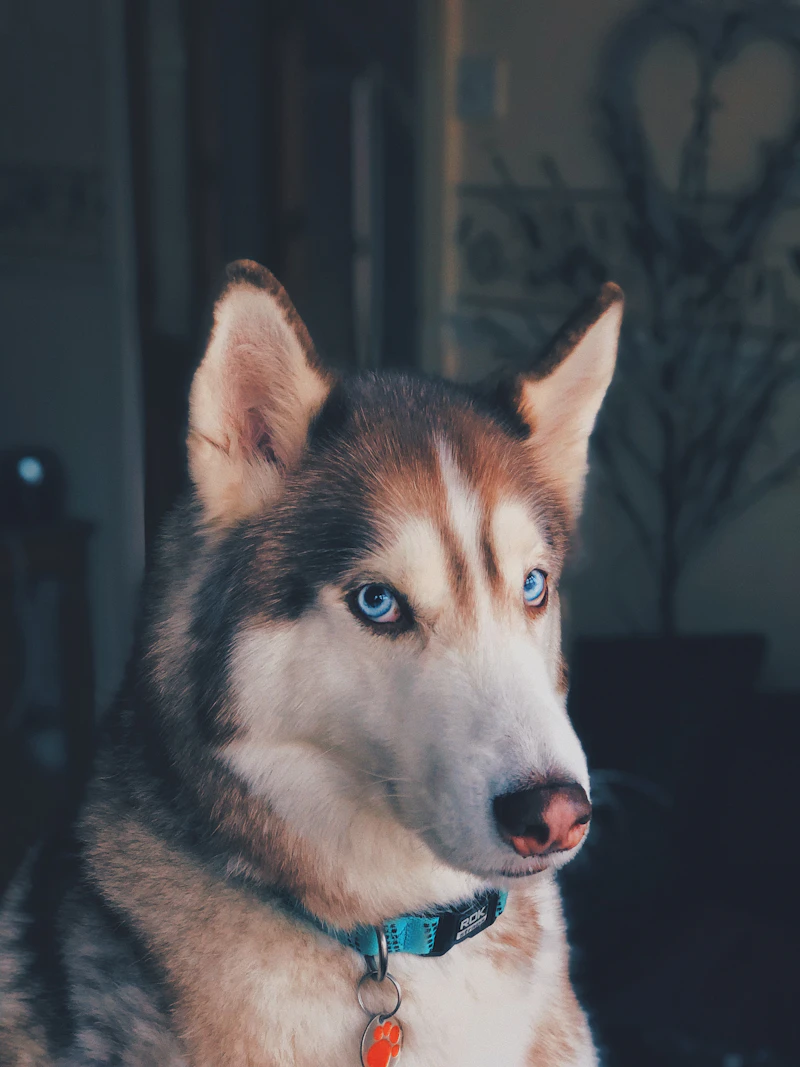
If you've ever wondered why some dogs barely hit 8 years while others cruise past 15, you're not alone. The gap in lifespan between breeds is one of the most striking things in veterinary medicine. A Chihuahua can live three times as long as a Great Dane, and the reasons go way deeper than just body size.
I built this comparison chart because nobody wants to dig through 20 different sources to compare breeds. Below you'll find 50+ breeds with their average lifespans, common health issues, and what actually drives the difference.
Small Breeds (Under 20 lbs)
Small dogs consistently outlive their larger cousins. The leading theory: bigger dogs grow faster and their cells divide more rapidly, which accelerates aging at a cellular level. Small breeds also put less mechanical stress on their joints and organs over a lifetime.
| Breed | Size Category | Avg Lifespan | Common Health Issues |
|---|---|---|---|
| Chihuahua | Small | 14-16 years | Dental disease, patellar luxation, heart murmurs |
| Toy Poodle | Small | 14-16 years | Progressive retinal atrophy, dental issues, luxating patella |
| Dachshund | Small | 12-16 years | IVDD (back problems), obesity, dental disease |
| Shih Tzu | Small | 13-15 years | Brachycephalic airway issues, eye problems, hip dysplasia |
| Miniature Schnauzer | Small | 12-15 years | Pancreatitis, bladder stones, diabetes |
| Pomeranian | Small | 12-16 years | Collapsed trachea, dental disease, alopecia |
| Yorkshire Terrier | Small | 13-16 years | Dental disease, collapsed trachea, liver shunt |
| Maltese | Small | 12-15 years | Dental disease, white shaker syndrome, luxating patella |
| Pug | Small | 12-14 years | Brachycephalic syndrome, eye problems, obesity |
| Boston Terrier | Small | 11-14 years | Brachycephalic issues, deafness, cataracts |
| Cavalier King Charles | Small | 9-14 years | Mitral valve disease, syringomyelia, ear infections |
| Jack Russell Terrier | Small | 13-16 years | Lens luxation, patellar luxation, deafness |
Medium Breeds (21-50 lbs)
Medium breeds land in a sweet spot — big enough to be sturdy, small enough to avoid the metabolic strain that plagues giant breeds. Most medium dogs live well into their early teens with decent care.
| Breed | Size Category | Avg Lifespan | Common Health Issues |
|---|---|---|---|
| Australian Shepherd | Medium | 13-15 years | Hip dysplasia, epilepsy, collie eye anomaly |
| Border Collie | Medium | 12-15 years | Hip dysplasia, epilepsy, collie eye anomaly |
| Cocker Spaniel | Medium | 12-15 years | Ear infections, glaucoma, hip dysplasia |
| Bulldog (English) | Medium | 8-10 years | Brachycephalic syndrome, hip dysplasia, skin fold dermatitis |
| Staffordshire Bull Terrier | Medium | 12-14 years | Hip dysplasia, hereditary cataracts, skin allergies |
| Siberian Husky | Medium | 12-14 years | Hip dysplasia, eye problems (cataracts, PRA), zinc deficiency |
| Standard Schnauzer | Medium | 13-15 years | Hip dysplasia, pancreatitis, bladder stones |
| Beagle | Medium | 12-15 years | Epilepsy, hypothyroidism, intervertebral disc disease |
| Whippet | Medium | 12-15 years | Anesthesia sensitivity, eye issues, mitral valve disease |
Large Breeds (51-90 lbs)
The drop-off starts here. Large breeds age faster — that's why our dog age calculator uses different multipliers depending on size. A 5-year-old Labrador is about 48 in human years, but a 5-year-old Yorkie is only about 36. The math changes for every breed because their metabolic clocks run at different speeds.
| Breed | Size Category | Avg Lifespan | Common Health Issues |
|---|---|---|---|
| Labrador Retriever | Large | 10-14 years | Hip/elbow dysplasia, obesity, progressive retinal atrophy |
| Golden Retriever | Large | 10-12 years | Cancer (especially hemangiosarcoma), hip dysplasia, allergies |
| German Shepherd | Large | 9-13 years | Hip dysplasia, degenerative myelopathy, bloat (GDV) |
| Boxer | Large | 10-12 years | Cancer (mast cell tumors), cardiomyopathy, bloat |
| Doberman Pinscher | Large | 10-12 years | Dilated cardiomyopathy, von Willebrand disease, wobblers |
| Rottweiler | Large | 8-10 years | Osteosarcoma, hip dysplasia, bloat |
| Greyhound | Large | 10-13 years | Anesthesia sensitivity, bloat, osteosarcoma |
Giant Breeds (90+ lbs)
Giant breeds have the shortest lifespans, and it's not just about joint failure or heart strain. Researchers at UC Davis found that large dogs produce more free radicals because their metabolic rate is higher per unit of body mass — essentially, they burn out faster at the cellular level. It's not fair, but it's biology.
| Breed | Size Category | Avg Lifespan | Common Health Issues |
|---|---|---|---|
| Great Dane | Giant | 7-10 years | Bloat (GDV), dilated cardiomyopathy, osteosarcoma |
| Mastiff (English) | Giant | 6-10 years | Bloat, hip dysplasia, osteosarcoma |
| Saint Bernard | Giant | 8-10 years | Bloat, hip/elbow dysplasia, entropion |
| Newfoundland | Giant | 8-10 years | Subaortic stenosis, bloat, hip dysplasia |
| Great Pyrenees | Giant | 10-12 years | Hip dysplasia, bloat, patellar luxation |
| Irish Wolfhound | Giant | 6-8 years | Dilated cardiomyopathy, osteosarcoma, bloat |
| Bernese Mountain Dog | Giant | 7-10 years | Cancer (histiocytic sarcoma), hip dysplasia, bloat |
Why Does Breed Lifespan Vary So Much?
Three main factors drive the gaps in the tables above:
- Growth rate. A Great Dane goes from 1 lb to 120 lbs in 18 months. That explosive growth causes oxidative stress at the cellular level — the same mechanism that shortens lifespan in any species that grows too fast.
- Genetic bottlenecks. Purebred dogs come from closed gene pools. Golden Retrievers, for instance, have a 60% cancer rate partly because a small number of foundation dogs passed down mutations. Mixed-breed dogs live about 1.2 years longer on average for exactly this reason.
- Conformation extremes. Brachycephalic breeds (flat faces) struggle to breathe. Giant breeds' hearts work overtime. Dachshunds' long spines herniate discs. A breed's body shape directly trades longevity for appearance.
Can You Extend a Breed's Lifespan?
Yes — within limits. You're not going to turn a Great Dane into a Chihuahua, but you can add 1-3 quality years for any breed by nailing the basics: keep them lean (not just "not obese" — genuinely lean), brush their teeth daily, do annual bloodwork starting at age 6, and use joint supplements before they show signs of stiffness. For a deeper look at what actually drives longevity across breeds, check our breed lifespan guide and the factors that affect dog lifespan.
If you want to see your own dog's expected lifespan based on breed and size, try our dog life expectancy calculator — it takes about 10 seconds and adjusts for real-world breed data, not just the generic "7 dog years = 1 human year" formula.
Calculate Your Dog's Real Age
Use our free dog age calculator to see your dog's age in human years — adjusted for breed and size.
Try Dog Year Calculator →