Puppy Development Stages: Week-by-Week From Birth to 1 Year
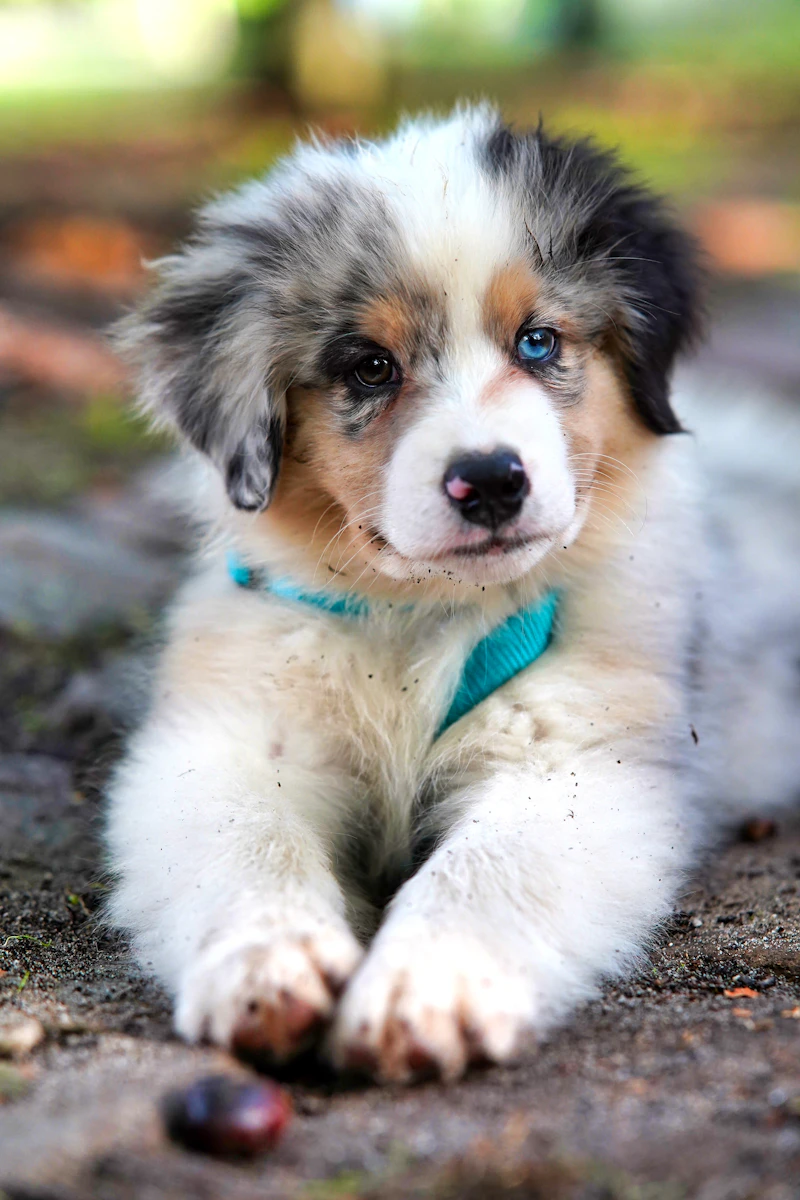
Puppies change so fast that if you blink you'll miss a milestone. One week they're blind, deaf blobs that do nothing but nurse and sleep. Eight weeks later they're bouncing around, learning their name, and chewing everything you own. Understanding what's happening at each stage isn't just interesting — it tells you exactly what your puppy needs from you at that moment.
Here's the full timeline, broken into the five development phases every puppy goes through.
Neonatal Period (0-2 Weeks)
Newborn puppies are completely helpless. Their eyes and ears are sealed shut. They can't regulate body temperature, can't eliminate on their own (the mother licks them to stimulate urination and defecation), and they spend 90% of their time sleeping and nursing. Their world is smell, touch, and warmth — nothing else.
During this phase, a puppy's only job is to eat and gain weight. A healthy pup doubles its birth weight in the first 7-10 days. If a puppy isn't gaining, something's wrong — fading puppy syndrome is the biggest risk during this window, and it requires immediate vet intervention.
What the breeder/owner should do: Handle pups gently for a few minutes daily to begin early neurological stimulation. Keep the whelping box at 85-90 degrees the first week. Weigh every puppy daily with a gram scale and track it.
Transitional Period (2-4 Weeks)
This is where things get interesting. Around day 12-14, eyes open. A few days later, ear canals open. The puppy suddenly has two new senses and the world explodes. By week 3 they're taking wobbly first steps, starting to lap water, and the first baby teeth begin erupting through the gums.
The transitional period is also when puppies start interacting with littermates — mouthing, wrestling, and learning the beginnings of bite inhibition. Growling at a sibling who bites too hard is the first lesson in social boundaries.
What to do: Introduce a shallow water dish. Start offering puppy mush (high-quality kibble soaked in warm water or puppy formula) around 3.5 weeks. Expose them to household sounds at low volume — vacuum, TV, doorbell — from a distance.
Socialization Period (4-12 Weeks)
This is the single most important window in a dog's life. Between 4 and 12 weeks, a puppy's brain is wired for maximum social learning. Positive exposures during this period build confidence for life. Negative experiences (or lack of exposure) during this period create fear and reactivity that can take years to undo — if you can undo them at all.
By week 7-8, most puppies go to their new homes. The 8-week mark isn't arbitrary — it's when they're fully weaned, have had first vaccinations, and have learned critical bite inhibition from mom and siblings.
What to do: This is your job now. Expose your puppy to 100 different people, places, sounds, surfaces, and experiences by 16 weeks. Not just 100 people — 100 distinct exposure categories. Different floor textures (carpet, tile, grass, gravel). Different sounds (thunderstorm recordings, crying babies, sirens). Different looking people (hats, sunglasses, uniforms, beards, wheelchairs). Every single one of these should involve treats and praise so the puppy builds positive associations. The goal isn't just exposure — it's good exposure.
Juvenile Period (3-6 Months)
Your puppy looks like a real dog now, but their brain is still very much under construction. Adult teeth start pushing out baby teeth around 4 months — you'll find tiny teeth on the floor and your puppy will chew everything to relieve gum pressure. This is when potty training should solidify if you've been consistent.
This period also includes the first fear period, typically around 8-11 weeks for small breeds and slightly later for larger ones. A puppy that was fearless yesterday may suddenly be terrified of the mailbox they've walked past 30 times. This isn't a setback — it's a normal developmental phase, and how you respond matters enormously.
What to do: Don't force them toward scary things. Don't coddle them either. Just be calm and matter-of-fact. "That's a garbage can, let's walk past it, here's a treat for being brave." If they panic, increase distance until they're calm, then reward. Teething: freeze a wet washcloth, offer frozen carrots, or use puppy-specific teething rings. Redirect chewing to approved items relentlessly — every time you don't, they learn that couch cushion equals chew toy.
Adolescent Period (6-18 Months)
Welcome to the teenage phase. If your puppy suddenly "forgets" every command they knew at 4 months, congratulations — you have a normal adolescent dog. Hormones surge, independence kicks in, and a second fear period typically arrives between 6-14 months. This is when many dogs are surrendered to shelters because owners mistake normal adolescent boundary-testing for a "bad dog."
Physically, small breeds reach full height by 6-8 months and social maturity by about 12 months. Large and giant breeds keep growing structurally until 18-24 months, even if they look full-size much earlier. This is critical because high-impact exercise (long runs, excessive jumping, agility training) before growth plates close can cause permanent joint damage.
What to do: Go back to basics with training. Reinforcement that you're still the most rewarding thing in their environment. Be patient — adolescence is temporary. For large breeds, stick to low-impact exercise until your vet confirms growth plates are closed (usually via x-ray around 12-18 months). Spay/neuter timing matters for joint health in large breeds — discuss with your vet rather than defaulting to 6 months.
Puppy Milestone Timeline at a Glance
| Age | Milestone | What Owner Should Do |
|---|---|---|
| Birth-1 week | Nursing, sleeping, gaining weight | Weigh daily, keep warm (85-90°F) |
| 10-14 days | Eyes open | Keep lights dim, don't force interaction |
| 14-18 days | Ear canals open | Start soft household sounds at a distance |
| 3 weeks | First teeth, wobbly walking | Shallow water dish, start gentle handling |
| 3.5-4 weeks | Begin weaning | Introduce soaked kibble mush |
| 8 weeks | Ready for new home | First vet visit, begin house training immediately |
| 8-11 weeks | First fear period | Don't force scary situations; reward calm |
| 12-16 weeks | Socialization window closing | 100+ positive exposures before 16 weeks |
| 4-6 months | Adult teeth come in | Provide safe chews; redirect chewing constantly |
| 6-14 months | Adolescence + second fear period | Back to basics training; be patient |
| 12-24 months | Social maturity (varies by breed size) | Growth plates close; safe for higher-impact exercise |
Every puppy develops at their own pace, but the sequence is the same. Early socialization followed by consistent, patient training through adolescence produces a stable adult dog. If you want to see how your puppy's age converts to human-equivalent maturity, try our dog age calculator — the conversion math changes significantly during the first year, which is why a 6-month-old puppy isn't simply "3.5 human years." For a broader look at all life stages, check our complete dog life stages guide, and the dog-to-human years conversion table gives you exact numbers for every breed size.
Calculate Your Dog's Real Age
Use our free dog age calculator to see your dog's age in human years — adjusted for breed and size.
Try Dog Year Calculator →