10 Signs Your Dog Is Getting Old (And What to Do About Each One)
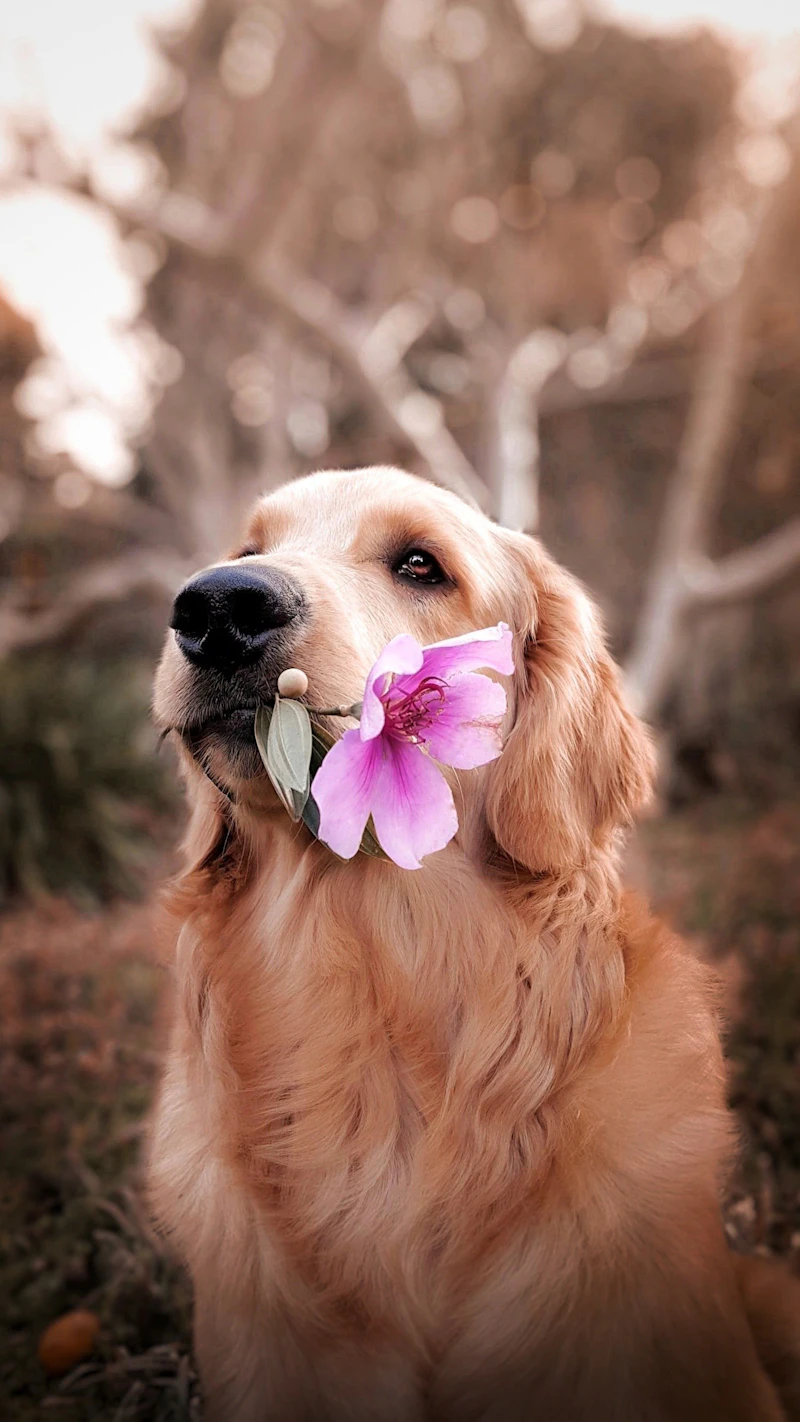
Dogs age faster than we'd like. One day they're chasing a tennis ball like a puppy, and the next you notice they're taking a little longer to stand up after a nap. The transition from adult dog to senior doesn't happen overnight — it creeps in through small signals that are easy to miss if you're not paying attention.
Knowing the signs early matters. A lot of age-related changes are manageable — even reversible — if you catch them early and adjust your dog's routine. Here are the 10 signs I look for, and exactly what to do about each one.
1. Graying Around the Muzzle and Face
This is the classic giveaway. Most dogs start showing gray hairs around the muzzle around 5-7 years old, though some get them earlier. It's cosmetic, mostly — but if the graying comes on suddenly or in patches, it could point to thyroid issues or stress. Worth a vet check if it seems rapid.
What to do: If it's gradual, it's just natural aging. If it's sudden or patchy, ask your vet to run a thyroid panel. Otherwise, just enjoy the distinguished look.
2. Cloudy or Bluish Eyes
Lenticular sclerosis — that bluish haze in the lens — shows up in most dogs past age 7 or 8. It's not the same as cataracts and usually doesn't affect vision much. But cataracts (white, opaque patches) do impair sight and need treatment. I can't tell the difference myself so I always have the vet look during checkups.
What to do: Have the vet distinguish between nuclear sclerosis (normal aging) and cataracts (treatable). Keep furniture in the same spots if vision is fading — dogs map their environment and sudden rearrangements can confuse them.
3. Slowing Down During Walks
Your dog might start lagging a few steps behind instead of pulling ahead, or they might pause to rest more often. This isn't laziness — it's usually joint discomfort or reduced cardiovascular fitness creeping in. Big breeds show this earlier than small ones, which is why a dog age calculator factors in breed size — a 7-year-old Great Dane is much older physiologically than a 7-year-old Chihuahua.
What to do: Shorten walks, add a second shorter walk instead of one long one, and consider joint supplements. If limping appears, see the vet before it gets worse.
4. Hearing Loss
Does your dog no longer come when called, or sleep through the doorbell? Hearing loss is common in senior dogs, and it's often gradual enough that owners blame the dog for being stubborn. Test it: stand behind your dog and clap softly. No reaction? Try a whistle. Still nothing? Hearing loss is likely.
What to do: Switch to hand signals for commands. Approach from the front so you don't startle them. Never let a deaf dog off-leash in unfenced areas.
5. Weight Changes
Weight gain is the more common issue — older dogs burn fewer calories but keep eating the same portions. But weight loss is the bigger red flag. Unexplained weight loss in a senior dog can signal dental pain, kidney disease, cancer, or diabetes. I weigh my dog monthly and write it down.
What to do: Track weight monthly. For weight gain, cut portions by 10-15% and increase low-impact exercise. For unexplained weight loss, get bloodwork and a dental exam within the week — don't wait.
6. Dental Problems
Bad breath isn't normal. If your dog's breath could clear a room, they've got periodontal disease — and by age 3, over 80% of dogs already have some form of it. By senior years, untreated dental disease can send bacteria into the bloodstream and damage the heart, liver, and kidneys.
What to do: Daily tooth brushing with dog-specific toothpaste (never human toothpaste — xylitol is toxic). Dental chews help but don't replace brushing. Schedule a dental cleaning at the vet — many senior dogs need one annually.
7. Sleeping More Than Usual
Senior dogs sleep 14-18 hours a day, sometimes more. That's normal. What's not normal: sleeping through meals they used to get excited about, or seeming disoriented when they wake up. Those are signs something deeper is going on — pain, cognitive decline, or metabolic issues.
What to do: Let them sleep — they need it. But track whether they still perk up for food and walks. If enthusiasm for those drops, schedule a vet visit.
8. Joint Stiffness and Trouble Getting Up
Watch how your dog stands up after lying down. A young dog springs up. An aging dog pushes up slowly, sometimes with a grunt, and might take a few steps to loosen up. That's arthritis creeping in. Cold weather and damp mornings make it worse.
What to do: Joint supplements (glucosamine, chondroitin, omega-3s) really do help — studies back this up. Keep your dog at a lean weight — every extra pound stresses arthritic joints. Orthopedic beds, ramps for the car, and non-slip rugs on hardwood floors make a huge difference. For more on this, see my complete senior dog care guide.
9. Cognitive Changes
Canine cognitive dysfunction — basically dog dementia — affects up to 28% of dogs aged 11-12 and 68% of dogs aged 15-16. Signs include: staring at walls, getting stuck in corners, forgetting familiar routines, pacing at night, and not recognizing family members. It's heartbreaking, but there are things that help.
What to do: Keep a consistent daily routine — it reduces anxiety. Puzzle toys and short training sessions keep the brain engaged. Prescription diets and medications (selegiline) can slow progression. Talk to your vet early — don't wait until it's severe.
10. Increased Anxiety or Clinginess
A previously independent dog suddenly following you room to room, or a calm dog becoming anxious when left alone — these are common in aging dogs. Losing hearing or vision makes the world feel less safe, and cognitive decline can amplify fear responses. Separation anxiety often appears for the first time in senior years.
What to do: Don't punish the behavior — they're not being difficult, they're scared. Create a safe den-like space with their bed and a worn t-shirt of yours. Calming supplements (Adaptil, Zylkene) help some dogs. For severe cases, a veterinary behaviorist can prescribe anti-anxiety medication that genuinely improves quality of life.
Quick Reference: Aging Signs Summary
| Sign | Typical Onset | Quickest Action |
|---|---|---|
| Gray muzzle | 5-7 years | Monitor for sudden changes |
| Cloudy eyes | 7-8 years | Vet check to rule out cataracts |
| Joint stiffness | 6-8+ years | Joint supplements + orthopedic bed |
| Weight changes | 7+ years | Monthly weigh-ins + bloodwork if losing |
| Hearing loss | 8-10+ years | Switch to hand signals |
| Dental issues | 3+ years (worsens with age) | Daily brushing + annual dental cleaning |
| Increased sleep | 7-8+ years | Track enthusiasm for food and walks |
| Cognitive changes | 10+ years | Routine consistency + vet discussion |
| Increased anxiety | 8+ years | Safe space + calming supplements |
Aging isn't a disease — it's a stage of life that deserves its own kind of care. None of these signs mean your dog's happiness is over. It means their needs are changing. If you're wondering where your dog falls on the aging spectrum, our dog life expectancy calculator gives you a breed-specific estimate, and the health issues by age guide lays out what to watch for at each life stage.
Calculate Your Dog's Real Age
Use our free dog age calculator to see your dog's age in human years — adjusted for breed and size.
Try Dog Year Calculator →