
Your Large Breed Dog
Conversion Method
Health Tip
Large breeds mature more slowly but age faster. Watch for hip and joint health starting at age 6.
Why Large Breeds Age Faster Than Small Breeds
It's one of the most well-documented patterns in veterinary science: bigger dogs age faster and die younger than smaller dogs. A large breed dog like a Labrador Retriever or German Shepherd typically lives 9–12 years, while a small breed like a Chihuahua can live 14–18 years.
The primary reason is growth rate. Large breed puppies grow extremely rapidly during their first year, which creates higher levels of cellular stress and oxidative damage. This accelerated growth is linked to higher insulin-like growth factor 1 (IGF-1) levels, which promote faster cell division and, consequently, faster aging at the cellular level.
A 5-year-old large breed dog is roughly equivalent to a 36-year-old human, while a 5-year-old small breed is closer to 33 human years. The gap widens significantly with age — by age 10, a large breed is approximately 66 human years, while a small breed is closer to 56.
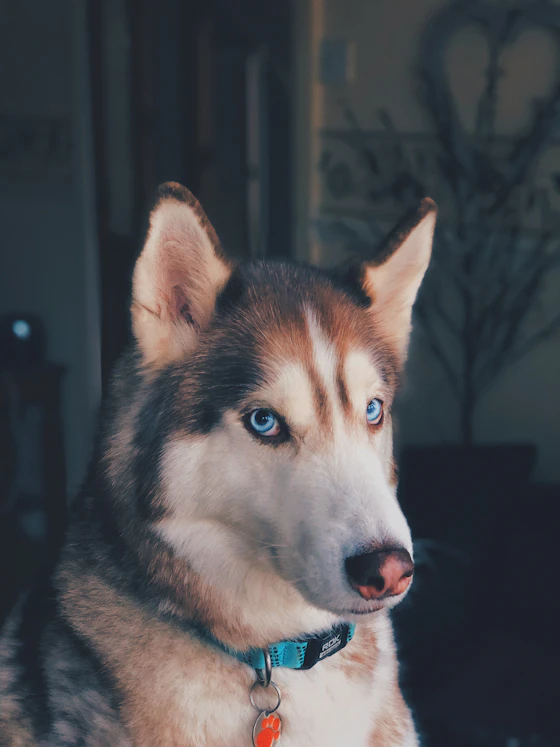
Common Large Breed Dogs and Their Typical Lifespans
| Breed | Weight Range | Average Lifespan | Senior Age |
|---|---|---|---|
| German Shepherd | 50–90 lbs | 9–13 years | 8 years |
| Golden Retriever | 55–75 lbs | 10–12 years | 8 years |
| Labrador Retriever | 55–80 lbs | 10–12 years | 8 years |
| Rottweiler | 80–135 lbs | 8–10 years | 7 years |
| Boxer | 65–80 lbs | 9–12 years | 8 years |
| Doberman Pinscher | 60–100 lbs | 9–12 years | 8 years |
| Siberian Husky | 35–60 lbs | 12–15 years | 10 years |
| Great Dane | 110–175 lbs | 7–10 years | 6 years |
| Bernese Mountain Dog | 70–115 lbs | 6–10 years | 6 years |
Large Breed Age Conversion Formula
Our calculator uses four different methods to estimate your large breed dog's human age equivalent. Here is how they work:
| Method | Formula for Large Breeds | Example: 5 yrs | Example: 10 yrs |
|---|---|---|---|
| Standard 1-2-5 Rule | Year 1 = 15, Year 2 = +9, then +5/yr | 36 human yrs | 61 human yrs |
| AKC Size Method | Year 1 = 15, Year 2 = +10, then +7/yr | 39 human yrs | 74 human yrs |
| UC Davis (DNA) | 16 × ln(age+1) + 31 | 36 human yrs | 44 human yrs |
| Classic ×7 | Age × 7 | 35 human yrs | 70 human yrs |
For large breeds, the AKC method applies a steeper multiplier (+7 per year after age 2) compared to small breeds (+5 per year). This reflects the faster biological aging that large dogs experience.
Large Breed Life Stages: Puppy to Senior
Large breed dogs progress through life stages at a different pace than small or medium breeds. Their puppyhood lasts longer (full skeletal maturity takes 18–24 months), but their senior years begin earlier.
| Life Stage | Age Range (Large) | Human Equivalent | Key Characteristics |
|---|---|---|---|
| Puppy | 0–1 year | 0–15 yrs | Rapid growth, teething, socialization window. Feed large-breed puppy food to control growth rate. |
| Young Adult | 1–3 years | 15–33 yrs | Full physical maturity reached by 18–24 months. Peak energy. Hip and elbow screenings recommended. |
| Adult | 3–8 years | 33–57 yrs | Prime years. Watch for weight gain — obesity accelerates joint problems. Annual vet checkups. |
| Mature | 8–10 years | 57–70 yrs | Slowing down. Joint supplements and senior diet. Bi-annual vet visits with blood work. |
| Senior | 10+ years | 70+ yrs | Reduced mobility, gray muzzle. Orthopedic bedding, pain management, adjusted exercise. |
Age-Related Health Issues in Large Breed Dogs
Large breed dogs are predisposed to several health conditions that become more common as they age. Understanding these can help you provide better preventive care.
Hip and Elbow Dysplasia
Hip dysplasia is especially common in German Shepherds, Labradors, Golden Retrievers, and Rottweilers. It occurs when the hip joint doesn't fit properly into the socket, causing pain, limping, and arthritis. Maintaining a healthy weight and providing joint supplements (glucosamine, chondroitin, omega-3s) can slow progression.
Gastric Dilatation-Volvulus (Bloat)
Bloat is a life-threatening emergency that primarily affects large, deep-chested breeds like Great Danes, Boxers, and German Shepherds. The stomach fills with gas and twists on itself, cutting off blood supply. Symptoms include a distended abdomen, unproductive retching, and restlessness. Immediate veterinary attention is critical.
Osteoarthritis
Joint degeneration affects nearly all senior large breed dogs. Signs include stiffness after rest, difficulty getting up, reluctance to jump, and decreased activity. Management includes weight control, joint supplements, anti-inflammatory medications, and low-impact exercise like swimming.
Heart Disease
Dilated cardiomyopathy (DCM) is more common in large and giant breeds, particularly Doberman Pinschers, Boxers, and Great Danes. Regular cardiac screenings (echocardiograms) can detect early signs before symptoms appear.
Large Breed vs. Small Breed Age Comparison
The table below shows how the same chronological age translates to very different human-equivalent ages depending on breed size.
| Dog Age | Large Breed (51–90 lbs) | Small Breed (10–25 lbs) | Giant Breed (>90 lbs) | Difference* |
|---|---|---|---|---|
| 1 year | 15 | 15 | 15 | 0 yrs |
| 2 years | 25 | 24 | 27 | +1 yr |
| 3 years | 32 | 30 | 35 | +2 yrs |
| 5 years | 46 | 42 | 51 | +4 yrs |
| 7 years | 60 | 54 | 67 | +6 yrs |
| 10 years | 81 | 69 | 91 | +12 yrs |
| 12 years | 95 | 81 | — | +14 yrs |
* Difference between large breed and small breed at the same chronological age, using the AKC size formula.
Nutrition and Care for Large Breed Dogs at Every Age
Puppy Stage (0–1 Year)
Large breed puppies have special nutritional requirements. Feed a large-breed specific puppy formula that controls calcium and phosphorus levels to prevent developmental orthopedic disease. Avoid overfeeding — rapid growth is linked to hip dysplasia. Aim for a lean, ideal body condition score.
Adult Stage (1–8 Years)
Switching to adult maintenance food around 12–18 months (depending on breed). Maintain lean body weight — studies show that large breed dogs kept at ideal weight live up to 2 years longer than overweight dogs. Regular exercise (45–60 minutes daily) supports joint health and weight management.
Annual veterinary checkups should include: physical exam, dental check, weight assessment, heartworm test, and recommended vaccinations. For breeds prone to hip dysplasia (German Shepherds, Labradors), annual orthopedic screening is advisable.
Senior Stage (8+ Years)
Around age 7–8, large breed dogs enter their senior years. Signs of aging include graying around the muzzle, stiffness after rest, decreased energy, weight changes, and dental issues. Key care adjustments include:
- Senior diet — Lower calories to prevent weight gain, higher quality protein for muscle maintenance, added joint-supporting ingredients (glucosamine, chondroitin, omega-3s, MSM)
- Bi-annual vet visits — Blood work, urinalysis, dental cleaning, and physical exam every 6 months
- Joint care — Orthopedic bedding, ramps for furniture access, low-impact exercise (walking, swimming), joint supplements
- Environmental adjustments — Non-slip flooring, raised food bowls (for bloat-prone breeds), comfortable temperature control
Learn more about early signs of aging in dogs or read about why large dogs age faster.